
Can You Do IVF After Amenorrhea or Menopause? A U.S., Mexico & Japan Guide

As the age at which women plan to have children continues to rise, more are paying attention to the relationship between declining ovarian function, the cessation of menstruation, and future fertility. Some worry that prolonged amenorrhea means they can no longer become pregnant, while others begin seriously considering motherhood only after entering menopause. For those planning a pregnancy, the key questions go beyond whether menstruation continues: whether viable eggs remain in the ovaries, whether the uterus can support a pregnancy, and which assisted reproductive options are suitable for their circumstances.
What Is the Difference Between Amenorrhea and Menopause?
Amenorrhea refers to the absence of menstruation and can be classified as primary or secondary. Primary amenorrhea generally means that menstruation has not begun by the expected age. Secondary amenorrhea occurs when someone who previously menstruated stops having periods because of pregnancy, endocrine disorders, changes in ovarian function, or other causes. Amenorrhea does not necessarily mean menopause, and the duration of missed periods alone cannot determine whether usable eggs remain in the ovaries.
If amenorrhea is caused by a treatable endocrine problem, some women may resume ovulation after appropriate evaluation and treatment. If ovarian reserve has declined significantly, further assessment is needed to determine whether IVF using their own eggs remains possible. Doctors generally consider hormone levels, anti-Müllerian hormone (AMH), antral follicle count, and relevant medical history rather than relying solely on menstrual patterns.
Can You Undergo IVF After Menopause?
Natural menopause indicates that ovarian follicular function has declined substantially. It is therefore usually difficult to obtain usable eggs through conventional ovarian stimulation. As a result, the chances of undergoing IVF with one's own eggs after menopause are generally very limited.
What Can IVF-PGT and PGT Testing Help With?
IVF-PGT involves performing an embryo biopsy during embryo development and using genetic testing to assess specific chromosomal or genetic information. For families who want to learn more about the genetic status of their embryos, PGT is an important technology to consider when planning IVF treatment.
It is important to understand that PGT cannot restore egg production or reverse menopause. Test results also have limitations and cannot guarantee embryo implantation, a successful pregnancy, or a live birth. Whether IVF-PGT is appropriate should be determined based on the availability of eggs or embryos, genetic counseling, and an overall assessment by a fertility specialist.
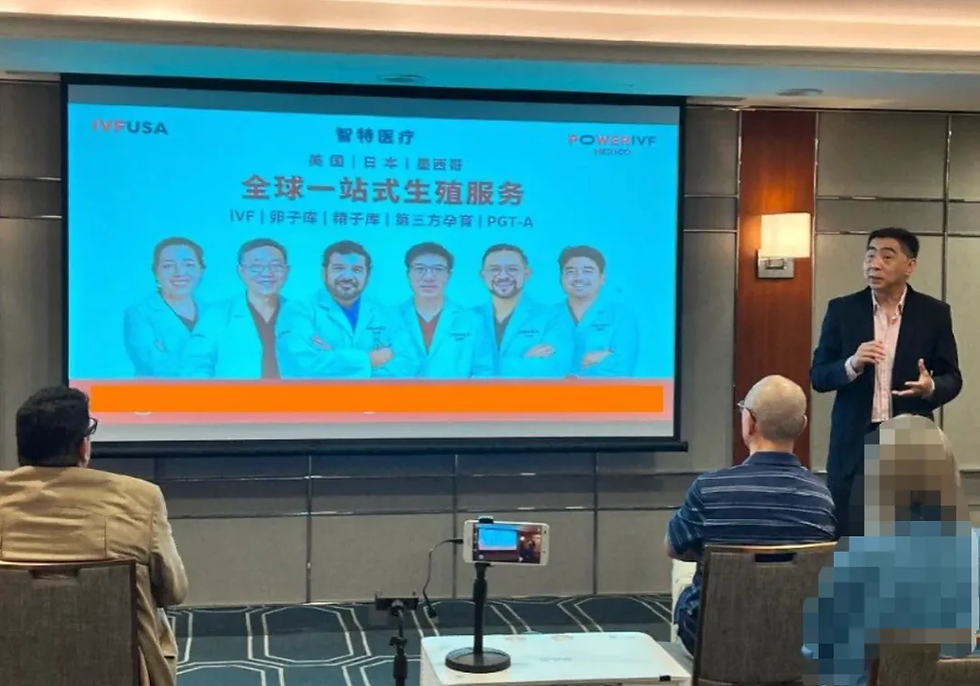
The team founded by Dr. Nathan Zhang at IVF USA has provided overseas assisted reproductive consulting services for more than ten years, offering U.S. egg freezing, IVF in the United States, and third-party reproduction services to those in need. With nearly 20 years of experience in overseas assisted reproduction, IVF USA recognized the diversity and individual nature of reproductive needs and established a presence in the Mexican market early on, becoming the Chinese representative of Power Fertility Center, Mexico POWER Fertility Center (POWER IVF). Dr. Nathan Zhang's services have since expanded beyond the United States to include IVF and egg freezing in Mexico, IVF and egg freezing in Japan and Thailand, as well as services in Taiwan and Hong Kong. At IVF USA, we are committed to providing patients with high-quality medical services and helping families pursue the possibility of welcoming a healthy child into their lives.


Comments