
Four Common Misconceptions About Egg Freezing in the U.S., Mexico, and Japan: What to Know Before Trying to Conceive

The timing of marriage, having children, and pursuing a career does not always follow the plan we originally imagined. More and more women are learning about egg freezing before trying to conceive, hoping to preserve a reproductive option for the future when they are not yet ready for pregnancy. At the same time, there are many misconceptions about egg freezing: Can eggs still be frozen at an older age? Will egg retrieval damage the ovaries? How long can frozen eggs be stored?
Misconception 1: Egg Freezing Is the Same at Any Age
Egg freezing is not simply about whether eggs can be retrieved. The maturity and quality of the eggs also need to be considered. As women age, ovarian reserve and egg quality change, and the likelihood of chromosomal abnormalities in eggs increases with age. Therefore, egg freezing is generally more worth considering at a relatively younger age, when egg quality is more favorable. This does not mean that women above a certain age cannot freeze their eggs. Whether egg freezing is appropriate should be evaluated based on age, ovarian reserve, and individual health conditions.
Misconception 2: Egg Freezing Will Deplete Your Eggs Early
This is a very common concern about egg freezing. During ovarian stimulation, doctors use medications to allow multiple follicles to develop within the same cycle, and mature eggs are then retrieved. However, these follicles are already part of the natural process of follicular loss during that cycle. Egg retrieval does not mean that eggs from many future years are being taken out all at once.
Therefore, egg freezing does not mean that the eggs in the ovaries are being “used up” all at once. Of course, ovarian stimulation and egg retrieval are still medical procedures. Treatment plans need to be developed according to individual circumstances, with ovarian response monitored through ultrasound and hormone testing.
Misconception 3: Frozen Eggs Can Only Be Stored for Ten Years
Vitrification technology allows mature eggs to be preserved at extremely low temperatures, essentially stopping cellular metabolic activity. At present, egg freezing should not be understood as having a fixed “expiration date.” At the same time, frozen storage does not mean that pregnancy is guaranteed in the future. After eggs are thawed, they still need to undergo fertilization, embryo development, and embryo transfer.
Misconception 4: Egg Freezing Causes Earlier Menopause
The medications used during ovarian stimulation primarily act on follicles that are developing during the current cycle. A single stimulation cycle does not use up all the eggs that would otherwise be available in the future. Therefore, there is no basis for simply equating egg freezing with earlier menopause.
It is important to note that short-term reactions such as bloating and breast tenderness may occur during ovarian stimulation, and a small number of women may experience complications such as ovarian hyperstimulation syndrome. Therefore, the safety of egg freezing depends on pre-treatment evaluation, appropriate medication use, and monitoring throughout treatment, rather than simply asking whether the medications are “harmful.”
What Else Should Be Considered From Egg Freezing to Future Pregnancy?
When frozen eggs are eventually used, the process enters its next stage. The frozen eggs need to be thawed and fertilized, followed by embryo development. If IVF-PGT is used as part of IVF-PGT treatment, embryos can undergo genetic testing to provide more information for subsequent embryo planning.
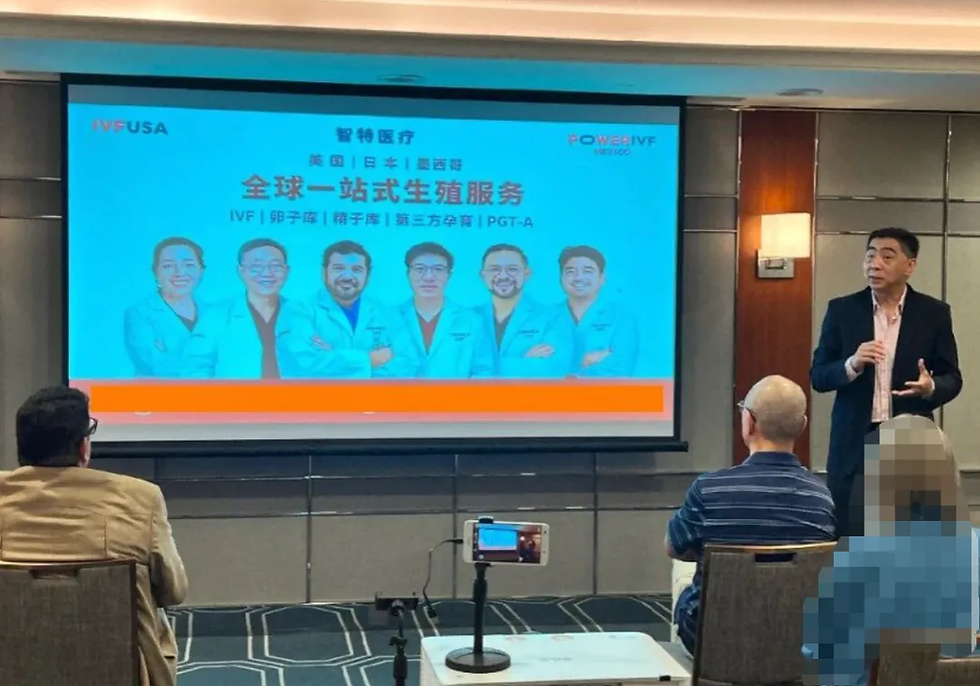
Dr. Nathan Zhang’s IVF USA team has been engaged in overseas assisted reproductive consultation services for more than ten years, providing U.S. egg freezing, U.S. IVF, and third-party assisted reproduction services for those in need. With nearly 20 years of experience in the overseas assisted reproduction field, IVF USA has recognized the diverse and personalized nature of reproductive needs and established a presence in the Mexican market early on, becoming the Chinese representative of Power Fertility Center Mexico POWER Fertility Center (POWER IVF). Dr. Nathan Zhang’s services have now expanded beyond the United States to include IVF and egg freezing in Mexico, IVF and egg freezing in Japan and Thailand, as well as services in Taiwan and Hong Kong, helping you achieve your dream of having a healthy baby.


Comments