
How Can Single Women Plan Ahead for Future Fertility? JapanIVF楠原Explains Egg Freezing in the U.S., Mexico, and Japan

Modern women have increasingly diverse life plans, and finding the right balance between career development, personal life, and family planning often requires careful consideration. Some women want to complete their education and achieve their career goals before starting a family. Others may not have immediate plans to have children but want to preserve the possibility of becoming mothers in the future. As women increasingly delay childbearing, egg freezing has become an option attracting growing attention.
Why Are More Women Considering Egg Freezing?
Female fertility is closely related to age. As women get older, ovarian reserve gradually declines, and egg quality also changes. In particular, after the age of 35, the risk of chromosomal abnormalities in eggs gradually increases. Therefore, when considering egg freezing, it is important not only to decide whether to undergo the procedure but also to consider the age at which eggs are frozen.
For women who do not currently plan to have children, preliminary tests such as AMH, baseline hormone testing, and antral follicle count can help assess their current ovarian reserve. Taking age and future reproductive goals into account, doctors can further evaluate the appropriate timing for egg freezing and the most suitable ovarian stimulation protocol.
How Does Egg Freezing Preserve Future Fertility Options?
Egg freezing typically involves several stages, including preliminary examinations, ovarian stimulation, follicular monitoring, egg retrieval, and egg freezing. Medication is used to stimulate the development of multiple follicles simultaneously. The timing of egg retrieval is determined based on ultrasound and hormone test results. After retrieval, mature eggs are processed and preserved using vitrification. They can then be thawed for use when the woman is ready to pursue pregnancy in the future.
The age at which eggs are frozen is an important factor affecting their potential future use. Eggs frozen at a younger age generally have a better quality profile. Therefore, for women who have already decided to consider egg freezing, learning about their ovarian reserve and the treatment process early can help them plan their timeline appropriately.
In addition to egg freezing, embryo freezing may also be suitable for individuals or couples who have a clear plan to have children and an available source of sperm. After embryos are created through in vitro fertilization, they can undergo further embryo culture and IVF-PGT testing, providing additional information for future embryo transfer decisions.
How Can You Plan Long-Term Fertility, from Egg Freezing to IVF?
Egg freezing is only one stage of fertility planning. When frozen eggs are used in the future, the treatment plan will also need to take into account the woman's health at that time, the source of sperm, and embryo development. For individuals or couples who want to learn more about the chromosomal status of their embryos, IVF-PGT provides genetic testing information that can help guide embryo selection and transfer planning.
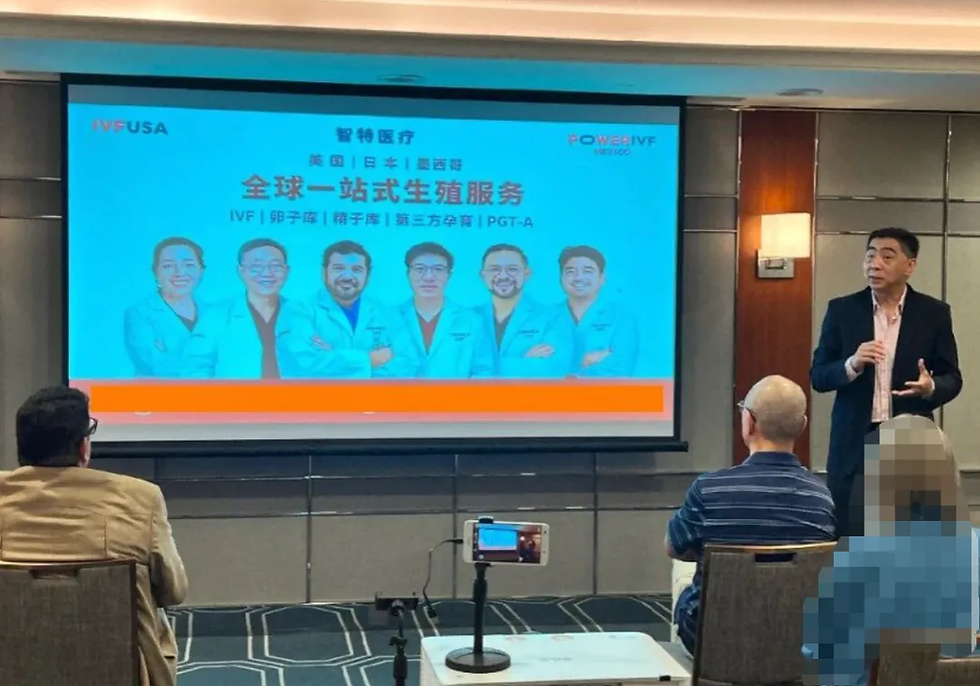
The team at IVF USA, founded by Dr. Nathan Zhang, provides services including egg freezing and IVF treatment in the United States. With nearly 20 years of experience in the international assisted reproduction field, IVF USA has expanded into the Mexican and Japanese markets in response to increasingly diverse and personalized reproductive needs. The company serves as the Chinese representative for Power Fertility Center in Mexico and Kusuhara Women's Clinic in Japan, establishing a global fertility service model under the concept of "Japan IVF, Delivered Worldwide." Dr. Nathan Zhang's services have now expanded to include IVF and egg freezing in Mexico and Japan, as well as services in Taiwan, Hong Kong, and other regions.
Based on individual test results and long-term goals, Dr. Nathan Zhang and his team can help patients navigate overseas treatment procedures and treatment plans, providing professional support as they consider their future fertility options.


Comments