
How to Assess Declining Ovarian Reserve? A Guide to Egg Freezing for Preconception Planning in the U.S., Mexico, and Japan

Modern women have increasingly diverse timelines for having children, and career development, marriage plans, and childbearing do not always happen at the same time. Many people only realize that age and ovarian reserve have become factors they need to consider when they actually begin preparing for pregnancy. Especially after entering their 30s, if they do not currently have plans to have children but hope to preserve more options for the future, understanding their fertility in advance becomes even more important.
What Are the Signs of Declining Ovarian Reserve?
Ovarian reserve mainly reflects the approximate number of remaining follicles in the ovaries. As age increases, the number of follicles gradually declines, while egg quality is also affected by age. However, declining ovarian reserve does not necessarily cause obvious symptoms, and it cannot be determined solely by changes in menstruation or appearance.
Clinical assessment usually combines indicators such as anti-Müllerian hormone (AMH), baseline reproductive hormones, and antral follicle count (AFC) measured by ultrasound. AMH and AFC can help assess ovarian reserve and the possible response to ovarian stimulation, while tests such as baseline FSH can also be part of a comprehensive evaluation. Individual circumstances vary by age and other factors, so fertility cannot be determined based on a single test result.
Why Is Age an Important Factor When Preparing for Pregnancy?
Ovarian reserve and egg quality are not exactly the same concept. As women age, the number of eggs gradually decreases, while the probability of chromosomal abnormalities also increases. Therefore, age has an important impact on natural conception, embryo development, and the risk of miscarriage. If you have already started preparing for pregnancy, especially at an older age or with a history of ovarian surgery, endometriosis, or similar conditions, it may be helpful to undergo a fertility assessment early.
The key to egg freezing is preserving mature eggs at a relatively younger age, leaving more possibilities for future use. The process generally involves ovarian stimulation, ultrasound and hormone monitoring, egg retrieval, and vitrification. When the eggs are used in the future, they will also need to undergo thawing, fertilization, and embryo culture. The age at which eggs are frozen, the number of mature eggs obtained, and subsequent fertilization and embryo development can all affect the final number of embryos that can be obtained.
How Should IVF Be Planned with Diminished Ovarian Reserve?
Having a lower ovarian reserve does not mean that pregnancy is impossible, nor does it mean that IVF must be started immediately. Once entering the assisted reproduction process, doctors will develop an ovarian stimulation plan based on ovarian response, age, and previous treatment history, while considering the complete process from egg retrieval and fertilization to blastocyst formation. For those planning to undergo IVF-PGT, IVF-PGT can analyze the chromosomes and relevant genetic information of blastocysts, providing more information for embryo selection and transfer planning.
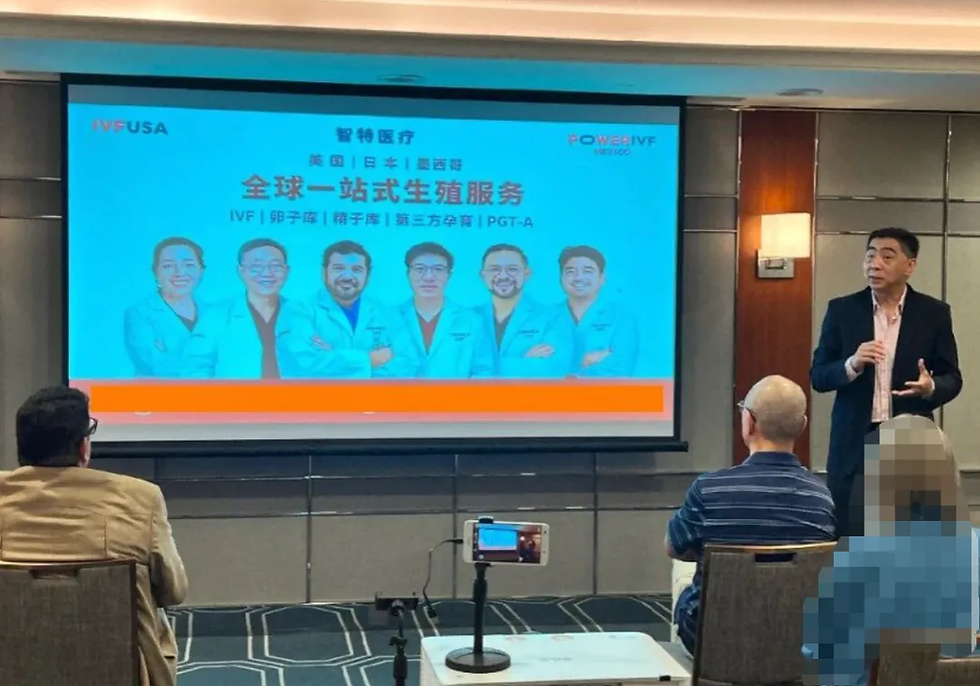
The team established by Dr. Nathan Zhang at IVF USA has been engaged in overseas assisted reproduction consulting services for more than ten years, providing U.S. egg freezing, U.S. IVF, and third-party assisted reproduction services for those in need. With nearly 20 years of experience in the overseas assisted reproduction field, IVF USA has focused on the diversification and personalization of reproductive needs and entered the Mexican market early, becoming the Chinese agent for Power Fertility Center, Mexico POWER Reproductive Center (POWER IVF). Dr. Nathan Zhang’s services have now expanded beyond the United States to include IVF and egg freezing in Mexico, IVF and egg freezing in Japan and Thailand, as well as regions including Taiwan and Hong Kong. Dr. Nathan Zhang and his team will provide professional advice and personalized services to help you achieve your fertility goals.


Comments