
How to Exercise Safely After Embryo Transfer and During Pregnancy with IVF in the U.S., Mexico, and Japan?

After achieving a pregnancy through IVF, many families become especially cautious, worrying that exercise might affect embryo development. Others reduce their activity or even remain on bed rest for extended periods out of fear of complications. In fact, for women with stable pregnancies and no specific complications, moderate exercise is generally beneficial for both physical and mental health.
Why Is Moderate Exercise Still Important After an IVF Pregnancy?
Maintaining moderate activity during pregnancy can help improve digestion, relieve constipation, promote better sleep and mental health, and maintain physical fitness. Regular exercise is also associated with health benefits such as a reduced risk of gestational diabetes.
It is important to note that an IVF pregnancy does not mean everyone must follow the same exercise plan. Factors such as bleeding, abdominal pain, multiple pregnancy, cervical problems, and other complications can all affect exercise recommendations. In particular, shortly after ovarian stimulation and egg retrieval, the ovaries may still be enlarged, so running, jumping, twisting, and strenuous activities should be avoided. Follow your reproductive specialist's guidance on when to resume exercise.
Which Types of Exercise Are Suitable During Pregnancy?
If prenatal checkups indicate that the pregnancy is stable and the doctor has not recommended activity restrictions, low-impact activities such as walking, prenatal yoga, or swimming may be suitable options. Exercise should be kept at an intensity that allows you to speak normally without becoming noticeably breathless. Adjust the duration and intensity gradually according to your fitness level. Those who are new to exercise or were relatively inactive before pregnancy do not need to rush to meet a specific exercise target.
The frequency and duration of exercise during pregnancy should be tailored to individual circumstances. Generally, healthy pregnant women can gradually work toward approximately 150 minutes of moderate-intensity physical activity per week.
Which Activities Should Be Avoided During Pregnancy?
During pregnancy, avoid activities that carry a risk of collision, falling, or abdominal injury, such as contact sports, activities with a high risk of falling, high-intensity jumping, and sudden twisting movements. Strenuous exercise in hot environments should also be avoided to reduce the risk of overheating and dehydration.
As pregnancy progresses, the body's center of gravity and joint stability change, making balance increasingly important during exercise. Avoid sudden changes in position or remaining in uncomfortable positions for extended periods. If you experience vaginal bleeding, suspected amniotic fluid leakage, regular contractions, chest pain, dizziness, or significant shortness of breath, stop exercising and contact a healthcare professional promptly.
Is Bed Rest Necessary After Embryo Transfer?
Extended bed rest is generally unnecessary after embryo transfer. For patients whose condition is stable, ordinary light activities do not generally cause an embryo to detach simply because they stand or walk. Whether activity restrictions are necessary should depend on the treatment process, ovarian condition, and the doctor's specific recommendations.
If the transfer takes place shortly after ovarian stimulation and egg retrieval, or if there is a risk of ovarian hyperstimulation syndrome, exercise restrictions may differ from those during an uncomplicated pregnancy. Once pregnancy is established, continue attending prenatal appointments on schedule and adjust your lifestyle according to examination results rather than stopping normal activities for an extended period simply because you underwent IVF.
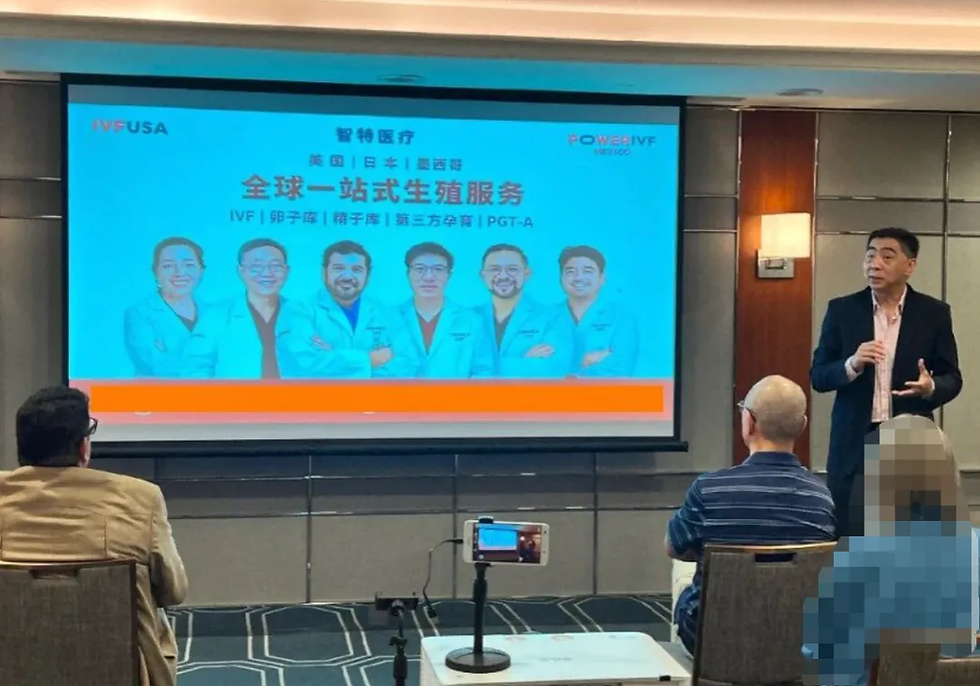
The team at IVF USA, founded by Dr. Nathan Zhang, has provided overseas assisted reproductive consultation services for more than ten years, offering services such as egg freezing in the United States, IVF in the United States, and third-party reproduction for those who need them. With nearly 20 years of experience in overseas assisted reproduction, IVF USA recognized the diversity and individualization of reproductive needs early on and established a presence in the Mexican market, becoming the Chinese representative of Power Fertility Center (POWER IVF) in Mexico. Dr. Nathan Zhang's services have now expanded beyond the United States to include IVF and egg freezing in Mexico, IVF and egg freezing in Japan and Thailand, as well as services in regions such as Taiwan and Hong Kong. Dr. Nathan Zhang and his team are committed to helping every patient achieve their dream of having a healthy baby. Let us work together to welcome new life.


Comments