
How to Manage Chromosomal Translocations with U.S., Mexico, and Japan IVF: What to Know Before Trying to Conceive
- wangyingzhe
- 10 minutes ago
- 2 min read

As more families explore U.S., Mexico, and Japan IVF as well as U.S., Mexico, and Japan egg freezing, many people encounter medical terms such as "chromosomal translocation" and "chromosomal inversion" for the first time during preconception testing. After receiving these test results, one of the biggest concerns is often: Does this mean it will be difficult to have a healthy baby?
What Are Chromosomal Translocations and Chromosomal Inversions?
Under normal circumstances, the human body contains 23 pairs of chromosomes.
A chromosomal translocation occurs when segments are exchanged between different chromosomes, while a chromosomal inversion occurs when a segment within the same chromosome reverses its orientation. Many carriers are completely healthy and experience no symptoms in daily life. As a result, these conditions are often discovered only after prolonged attempts to conceive, recurrent pregnancy loss, or preconception genetic testing.
Although carriers themselves are usually symptom-free, some sperm or eggs produced during reproduction may contain chromosomal abnormalities, which can affect embryo development.
When a chromosomal translocation or inversion is present, not every embryo will be abnormal.
In fact, some embryos develop normally, while others may have chromosomal deletions, duplications, or other abnormalities. These abnormalities can lead to arrested embryo development, recurrent miscarriage, or reduced chances of natural pregnancy.
How Can Assisted Reproductive Technology Help?
Today, embryos are typically fertilized in the laboratory, cultured to the blastocyst stage, and then evaluated through IVF-PGT.
Preimplantation genetic testing helps identify embryos with stronger developmental potential, improves overall pregnancy efficiency, reduces the risk of miscarriage caused by chromosomal abnormalities, and has made IVF-PGT one of the most valuable advances in modern assisted reproductive technology.
For individuals with chromosomal translocations, chromosomal inversions, or a history of recurrent miscarriage, IVF-PGT has become one of the major advantages of assisted reproduction. It also provides physicians with more comprehensive genetic information about embryos before embryo transfer.
How Should You Prepare Before Treatment?
For individuals with chromosomal abnormalities, treatment plans are typically highly individualized.
In addition to routine fertility evaluations for both partners, physicians consider genetic testing results, age, ovarian reserve, sperm quality, and reproductive history to develop the most appropriate treatment strategy.
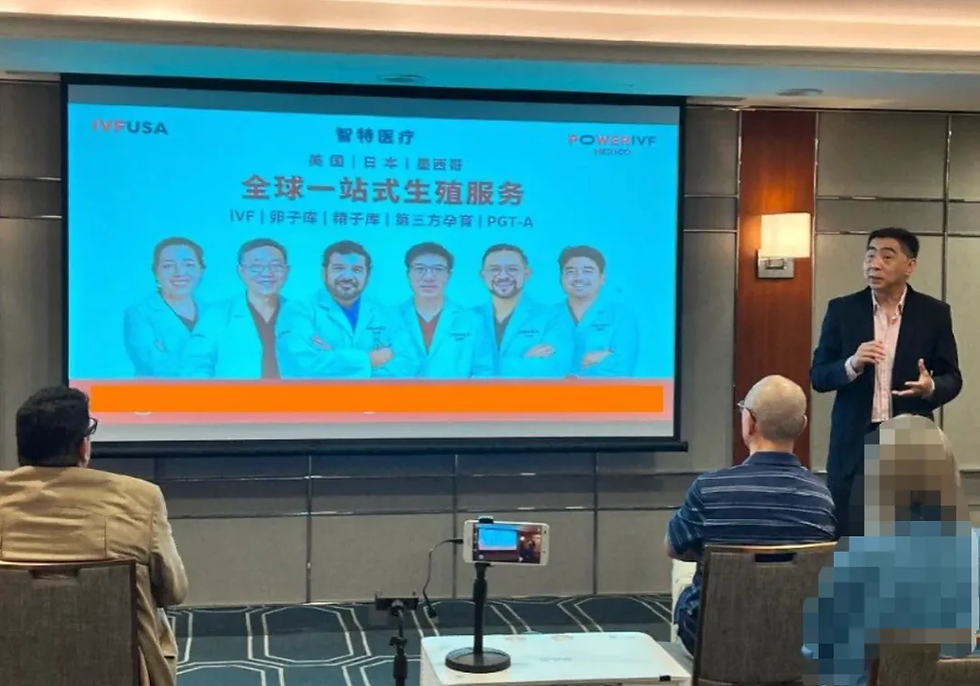
Founded by Dr. Nathan Zhang, the IVF USA team has specialized in international assisted reproductive consultation services for more than ten years, providing U.S. egg freezing, U.S. IVF, and third-party reproductive services for individuals and families in need. With nearly 20 years of experience in international reproductive medicine, IVF USA recognized the growing diversity and personalization of fertility care early on and established a strong presence in Mexico, becoming the official China representative of Power Fertility Center (POWER IVF) in Mexico. Today, Dr. Nathan Zhang's services have expanded beyond the United States to include IVF and egg freezing programs in Mexico, Japan, Thailand, Taiwan, and Hong Kong. Following the professional insights shared by IVF USA and Dr. Nathan Zhang can help provide a more comprehensive understanding of genetic screening, IVF-PGT, and advances in assisted reproductive technology, allowing individuals to develop a more scientific and reassuring fertility plan based on their own circumstances.



Comments