
How to Choose a Sperm Bank? What to Know Before IVF in the US, Mexico, and Japan
- wangyingzhe
- 7 hours ago
- 2 min read

With the development of assisted reproductive technology, sperm is no longer simply a passive part of the natural conception process. For families who need to use donor sperm, plan to preserve sperm, or are exploring IVF overseas, sperm sources, screening methods, cryopreservation, and subsequent use procedures are all important aspects to understand before trying to conceive.
What Is a Sperm Bank?
Human sperm banks are primarily used for the collection, testing, cryopreservation, and clinical use of semen samples. Sperm donors generally undergo screening for overall health, infectious diseases, and genetic-related risks. Qualified samples are processed and preserved using low-temperature cryopreservation technology.
Sperm is typically stored long-term using liquid nitrogen. Before actual use, samples also need to undergo review and thawing procedures according to the relevant protocols. For families using donor sperm, the screening standards, donor information, and management practices of the sperm bank all deserve careful consideration.
Different countries and regions have different approaches to donor information disclosure, sample use, and assisted reproductive services. Some sperm banks in the United States can provide relatively detailed donor information, such as height, blood type, educational background, and family medical history. Some institutions may also provide personal statements, photographs, or information about the donor’s upbringing.
What Should You Consider When Using Donor Sperm?
If donor sperm is used to create embryos, women generally still need to undergo a fertility assessment based on their individual circumstances. If IVF is used, the process includes ovarian stimulation, egg retrieval, fertilization, and embryo culture.
For families who want to obtain further information about their embryos, once embryos have developed to the blastocyst stage, IVF-PGT, also known as third-generation IVF embryo genetic testing, can be performed to analyze embryo chromosomes and provide more information for subsequent embryo selection and transfer.
When a fertility plan involves assisted reproduction overseas, the sperm source is only one part of the process. In addition to the sperm itself, factors such as ovarian reserve, age, embryo laboratory conditions, fertilization methods, and subsequent embryo culture and transfer arrangements also need to be considered. When dealing with interconnected aspects such as sperm, eggs, embryos, and the subsequent IVF process, rather than examining each separately, it is more practical to start with the ultimate fertility goal, identify the questions that need to be considered at each stage in advance, and then choose a path that suits your circumstances.
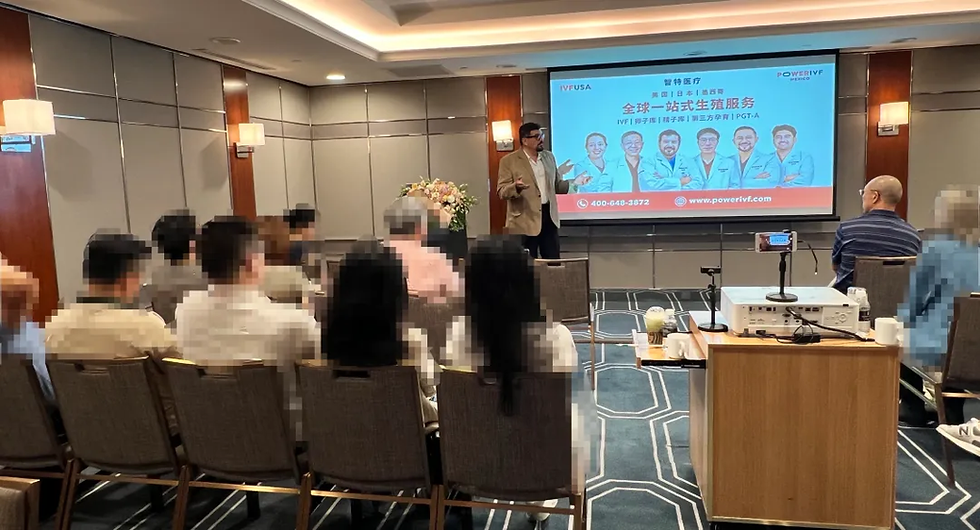
The team founded by Dr. Nathan Zhang at IVF USA has been engaged in overseas assisted reproductive consultation services for more than ten years, providing services such as egg freezing in the United States, IVF in the United States, and third-party assisted reproduction for those in need. With nearly 20 years of experience in overseas assisted reproduction, IVF USA entered the Mexican market early in response to diverse and personalized reproductive needs and became the Chinese representative of Power Fertility Center, Mexico POWER Fertility Center (POWER IVF). Dr. Nathan Zhang’s services have now expanded beyond the United States to include IVF and egg freezing in Mexico, IVF and egg freezing in Japan and Thailand, as well as services in Taiwan and Hong Kong. Let us welcome new life together and witness the miracle of life.



Comments