
Does No Symptoms 5 Days After Blastocyst Transfer Matter? IVF in the U.S., Mexico, and Japan with JapanIVF楠原

After ovarian stimulation, egg retrieval, fertilization, and embryo culture, many families finally reach the blastocyst transfer stage and pay close attention to every day afterward. During the wait for pregnancy test results, even small physical changes can attract attention: if there is no abdominal sensation, bleeding, or breast tenderness after transfer, does that mean the embryo has not implanted? Is it normal to have no symptoms at all on day 5 after blastocyst transfer?
No Symptoms 5 Days After Blastocyst Transfer Does Not Mean Implantation Has Not Occurred
Implantation after blastocyst transfer is a continuous physiological process. The outcome cannot be determined through physical sensations immediately after the transfer. Once the blastocyst enters the uterus, it needs to make contact with the endometrium, establish its position, and gradually complete attachment and invasion. This process is influenced by various factors, including the embryo's developmental stage and the condition of the endometrium.
Having no noticeable symptoms on day 5 after transfer is common. Some women may experience mild bloating, fatigue, or breast tenderness, while others notice no significant changes throughout the waiting period. These physical responses cannot directly confirm that implantation has occurred or indicate that the transfer has failed.
When Might Implantation Begin After Blastocyst Transfer?
A blastocyst has already undergone several days of development in the laboratory and is generally at a relatively advanced stage when transferred. After entering the uterus, the embryo continues interacting with the endometrium and gradually proceeds through the implantation process.
The exact timing varies depending on embryo development and individual differences. During the first few days after transfer, the embryo may be undergoing attachment and implantation. Some women experience no noticeable changes during this stage.
Physical responses after blastocyst transfer vary considerably from person to person. Some women experience mild abdominal discomfort, fatigue, or breast sensitivity. These symptoms may be associated with luteal support medications, hormonal changes, and the body's response to treatment.
On the other hand, implantation itself generally does not produce clear or consistent physical signals. Some women have no noticeable symptoms in early pregnancy, even when the pregnancy is successful. Therefore, the presence or absence of so-called implantation symptoms is not a reliable way to assess embryo development.
To determine whether implantation has occurred, clinicians generally arrange a blood HCG test to assess pregnancy status, followed by additional examinations to monitor pregnancy development. Using a home pregnancy test too early may produce unclear results because HCG levels may not yet be high enough.
How Does IVF-PGT Affect Embryo Transfer Preparation?
Embryo quality and the uterine environment are both important considerations when preparing for embryo transfer. During IVF treatment in the United States, fertilized eggs are cultured in the laboratory, where their development is monitored and blastocysts are evaluated according to the treatment plan.
IVF-PGT is an important part of embryo genetic testing. PGT-A can assess whether embryos have abnormalities in chromosome number, providing information to support embryo selection and subsequent transfer planning. For families who want to learn more about the genetic status of their embryos, IVF-PGT combines embryo culture, genetic testing, and transfer planning, providing additional information to support treatment decisions.
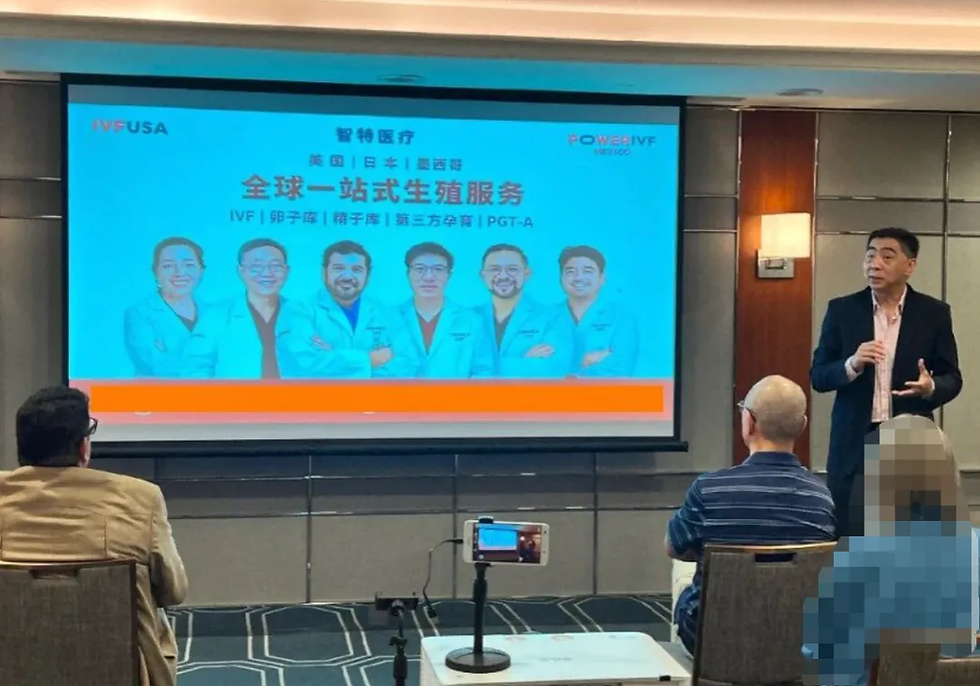
The IVF USA team, founded by Dr. Nathan Zhang, provides services including egg freezing and IVF treatment in the United States for those who need them. With nearly 20 years of experience in international assisted reproduction, IVF USA recognized the growing diversity and individualization of fertility needs and established an early presence in Mexico and Japan. It became the representative in China for Power Fertility Center in Mexico and Kusuhara Women's Clinic in Japan, establishing a global fertility service model that makes "IVF in Japan accessible worldwide." Dr. Nathan Zhang's services have now expanded to include IVF and egg freezing in Mexico and Japan, as well as services in Taiwan and Hong Kong.


Comments