
What Are the Benefits of Blastocyst Culture in IVF in the U.S., Mexico, and Japan? JapanIVF楠原 Explains Blastocyst Development

In IVF treatment, egg retrieval and fertilization are only the beginning of embryo development. The embryos then continue developing in the laboratory, and doctors arrange transfer or freezing based on their condition. Many people who are trying to conceive, considering IVF treatment in the United States, or planning to freeze their eggs will encounter a specialized term: blastocyst culture. Why do many fertility centers recommend culturing embryos to the blastocyst stage? And how is blastocyst culture related to IVF-PGT?
What Is Blastocyst Culture? How Do Embryos Develop?
Blastocyst culture refers to continuing to culture fertilized eggs until they reach the blastocyst stage, which usually occurs on days 5–6 after fertilization. A fertilized egg initially undergoes cleavage to form an early embryo. As the number of cells increases, it gradually develops into a blastocyst with an inner cell mass and a trophectoderm layer.
Compared with a day-3 cleavage-stage embryo, a blastocyst has undergone a longer period of development in vitro. The laboratory can observe whether an embryo develops successfully to this stage and assess it based on factors such as the degree of blastocyst expansion and the morphology of the inner cell mass and trophectoderm. This provides doctors with additional information when selecting embryos for transfer.
Why Is Blastocyst Culture Widely Recommended?
One important value of blastocyst culture is that it provides additional opportunities to observe and assess embryo development. Not all fertilized eggs continue developing to the blastocyst stage, so the culture process helps the laboratory evaluate their developmental potential. For families with multiple embryos, assessment at the blastocyst stage also helps guide subsequent transfer and cryopreservation plans.
In addition, blastocyst transfer is more closely aligned with the natural stage of endometrial development, helping doctors better coordinate the timing of embryo transfer with the endometrium. When single-embryo transfer is appropriate, selecting an assessed, high-quality blastocyst can also help reduce the related risks of multiple pregnancy.
It is important to note that blastocyst morphology and development reflect the embryo's developmental characteristics and are not equivalent to chromosome testing results. IVF-PGT can be used to further assess the embryo's genetic characteristics.
IVF-PGT, also known as third-generation IVF, involves taking a small number of trophectoderm cells for biopsy after an embryo reaches the blastocyst stage, followed by the relevant genetic testing. The results provide information for assessing embryo chromosomes or specific genetic conditions, helping doctors develop a subsequent embryo transfer plan.
For families planning to conceive through IVF-PGT, blastocyst culture and PGT testing can be integrated into the treatment process: embryo development is first observed, followed by biopsy and testing. Based on the results, embryos can then be scheduled for cryopreservation or transfer. Blastocysts can also be frozen after the relevant procedures, providing greater flexibility in timing for subsequent treatment.
Why Are Laboratory Conditions So Important?
Blastocyst culture places high demands on the laboratory environment and operating procedures. Temperature, gas concentrations, culture media, equipment stability, and embryologists' experience can all affect the embryo culture process. Laboratories need to maintain an appropriate and stable culture environment as much as possible while continuously monitoring embryo development.
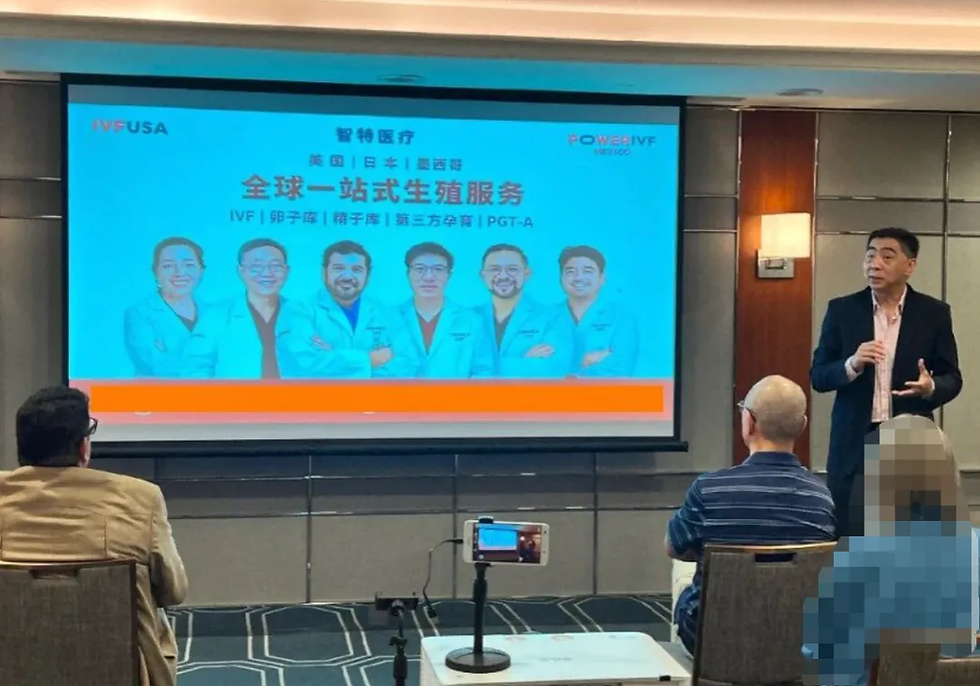
The IVF USA team, founded by Dr. Nathan Zhang, provides services including egg freezing and IVF treatment in the United States. With nearly 20 years of experience in international assisted reproduction, IVF USA recognized the growing diversity and individualization of fertility needs and established an early presence in the Mexican and Japanese markets. It became the representative in China for Power Fertility Center in Mexico and Kusuhara Women's Clinic in Japan, creating a global fertility service model that makes "IVF in Japan accessible worldwide." Dr. Nathan Zhang's services have now expanded to include IVF and egg freezing in Mexico and Japan, as well as services in Taiwan and Hong Kong.
From embryo culture to subsequent transfer, every stage is worth understanding in advance. This helps make fertility planning clearer and gives families more possibilities when arranging their future.


Comments