
JapanIVF楠原: A Guide to IVF and Egg Freezing in the U.S., Mexico, and Japan

With changes in women's education, career development, and life planning, the timing of having children does not always align with the pace of life they envision. Some women want to complete their education and career goals first, while others may not have immediate plans to start a family but want to preserve more options for the future. As a result, egg freezing has become an increasingly popular way to preserve fertility.
The Egg Freezing Process
Fertility Assessment and Pre-Treatment Tests
Before egg freezing, doctors typically arrange a series of tests to assess a woman's current ovarian reserve and overall health. These may include AMH testing, baseline hormone testing, transvaginal ultrasound, and infectious disease screening. AMH levels and antral follicle count can help doctors evaluate ovarian reserve and provide a reference for developing an ovarian stimulation protocol. Based on the woman's age, test results, and personal reproductive plans, the doctor will develop an appropriate treatment plan.
Ovarian Stimulation and Follicle Monitoring
During ovarian stimulation, women use fertility medications according to the protocol prescribed by their doctor. These medications stimulate a group of follicles that might otherwise naturally stop developing during the current cycle, allowing more mature eggs to be retrieved. Throughout stimulation, doctors monitor follicular development through ultrasound examinations and hormone tests, adjusting medication dosages and timing according to the body's response.
Egg Retrieval and Egg Freezing
Once the follicles have developed sufficiently for retrieval, the doctor will schedule a trigger shot to promote the final maturation of the eggs. Egg retrieval is usually performed approximately 34 to 36 hours after the trigger shot. The procedure is generally carried out under sedation or anesthesia. Guided by transvaginal ultrasound, the doctor aspirates follicular fluid to retrieve the eggs.
Laboratory staff then assess the retrieved eggs and identify mature ones for preservation using vitrification technology. Frozen eggs retain the age-related characteristics they had at the time of retrieval, providing greater flexibility for future IVF treatment using one's own eggs.
Recovery and Post-Retrieval Care
After egg retrieval, some women may experience mild bloating, lower abdominal discomfort, or light vaginal bleeding. These symptoms generally improve with rest. After the procedure, women should follow the medical team's guidance regarding rest, diet, and physical activity, while monitoring their recovery. Once egg freezing is complete, medical reports, medication records, and egg freezing information should also be kept for future treatment planning.
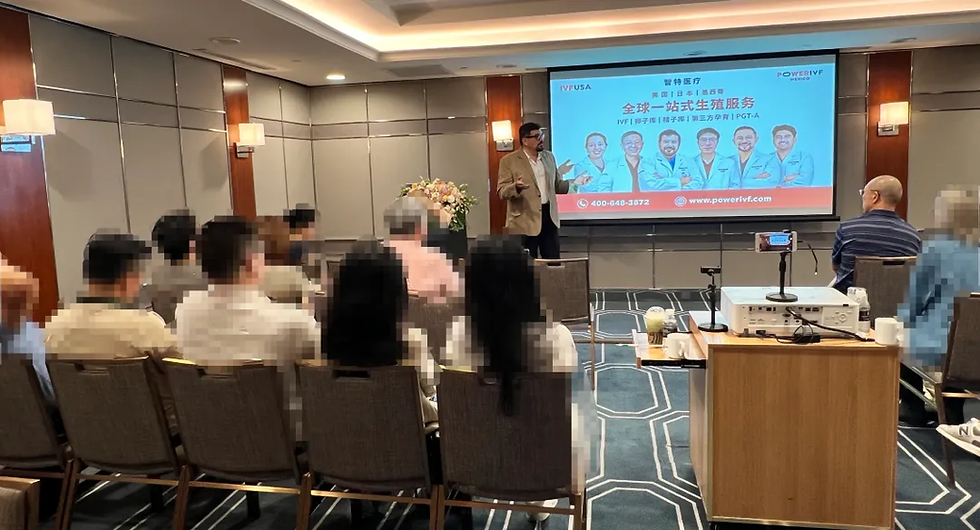
The IVF USA team, founded by Dr. Nathan Zhang, provides services including egg freezing and IVF treatment in the United States for individuals and families in need. With nearly 20 years of experience in overseas assisted reproduction, IVF USA recognized the growing demand for diverse and personalized reproductive services and established an early presence in the Mexican and Japanese markets. It became the representative in China for Power Fertility Center in Mexico and Kusuhara Women's Clinic in Japan, creating a global fertility service model under the concept of "IVF in Japan, Delivered Worldwide." Dr. Nathan Zhang's services have now expanded to include IVF and egg freezing in Mexico and Japan, as well as reproductive services in Taiwan and Hong Kong.


Comments